Skin Problems
Eczema Treatment in Ayurveda in Kolkata
The main reason eczema can be skin inflammation. In Ayurveda this is known as a skin disease caused by an imbalance of body energies. The condition may appear as itchy, inflamed, dry or irritated skin.
Proper treatment and healthy daily habits can help soothe symptoms. Our Ayurvedic approach considers diet, lifestyle and a person's individual constitution.
What are the causes of eczema and what are modern treatments?
Eczema is a variety of causes. Some of the significant reasons are allergic conditions, dry skin and hereditary factors. There are also secondary causes such as lack of cleanliness, lack of nutrition and environment factors.
- Eczema is seen in people who have problem of dry skin.
- Eczema can be hereditary.
- There are also secondary causes such as lack of cleanliness and nutrition.
Here are some common types of eczema
Atopic Dermatitis: The most common form, often linked to a family history of allergic conditions such as asthma or hay fever.
Contact Dermatitis: Caused by contact with irritants or allergens, leading to redness, itching, and sometimes blisters.
Nummular Eczema: Characterized by coin-shaped patches of irritated skin, often occurring after skin injuries or in people with dry skin.
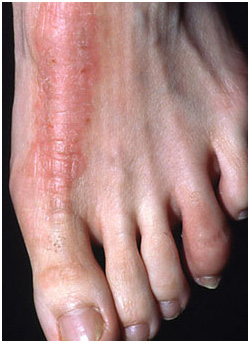
Dyshidrotic Eczema: Involves small, itchy blisters, typically on the hands and feet.
According to Ayurveda, there are three main types of leprosy
Rheumatic leprosy: It is characterized by dryness, itching and redness of the skin.
Pitta leprosy: It is characterized by blistering, burning and itching of the skin.
Kaphaj kustha: It is white spots on the skin, circumcision.
Herbal Remedies
Neem (Azadirachta indica): Neem is known for its anti-inflammatory and anti-bacterial properties. Neem oil or neem leaves can be used topically.
Turmeric (Curcuma longa): Turmeric has anti-inflammatory and antiseptic properties. A paste made from turmeric and water or milk can be applied to affected areas.
Aloe Vera: Aloe vera gel is known for its soothing and healing properties.
Oil Massage (Abhyanga): Coconut oil and other gentle oils may help moisturize the skin and reduce inflammation.
Ayurvedic Medications
Guduchi (Tinospora cordifolia): Guduchi is an herb known for its immune-modulating properties.
Manjistha (Rubia cordifolia): Manjistha is believed to purify the blood and support skin health.
Lifestyle Recommendations
Avoid Stress: Stress can exacerbate eczema symptoms.
Maintain Proper Hygiene: Keep the affected areas clean, but avoid excessive bathing, which can strip the skin of natural oils.
Recommendations: Identify and avoid foods that may trigger or worsen eczema symptoms. Include cooling foods like cucumber, mint, and coriander into your diet.
Finding an Ayurvedic Practitioner in Kolkata
Consulting a qualified Ayurvedic practitioner for a personalized diagnosis and treatment plan is crucial. While Ayurveda offers promising avenues for managing eczema, it's important to note that it may not be a standalone cure and may work best in conjunction with conventional therapies as recommended by your dermatologist.
Understanding Psoriasis: Conventional and Ayurvedic Perspectives
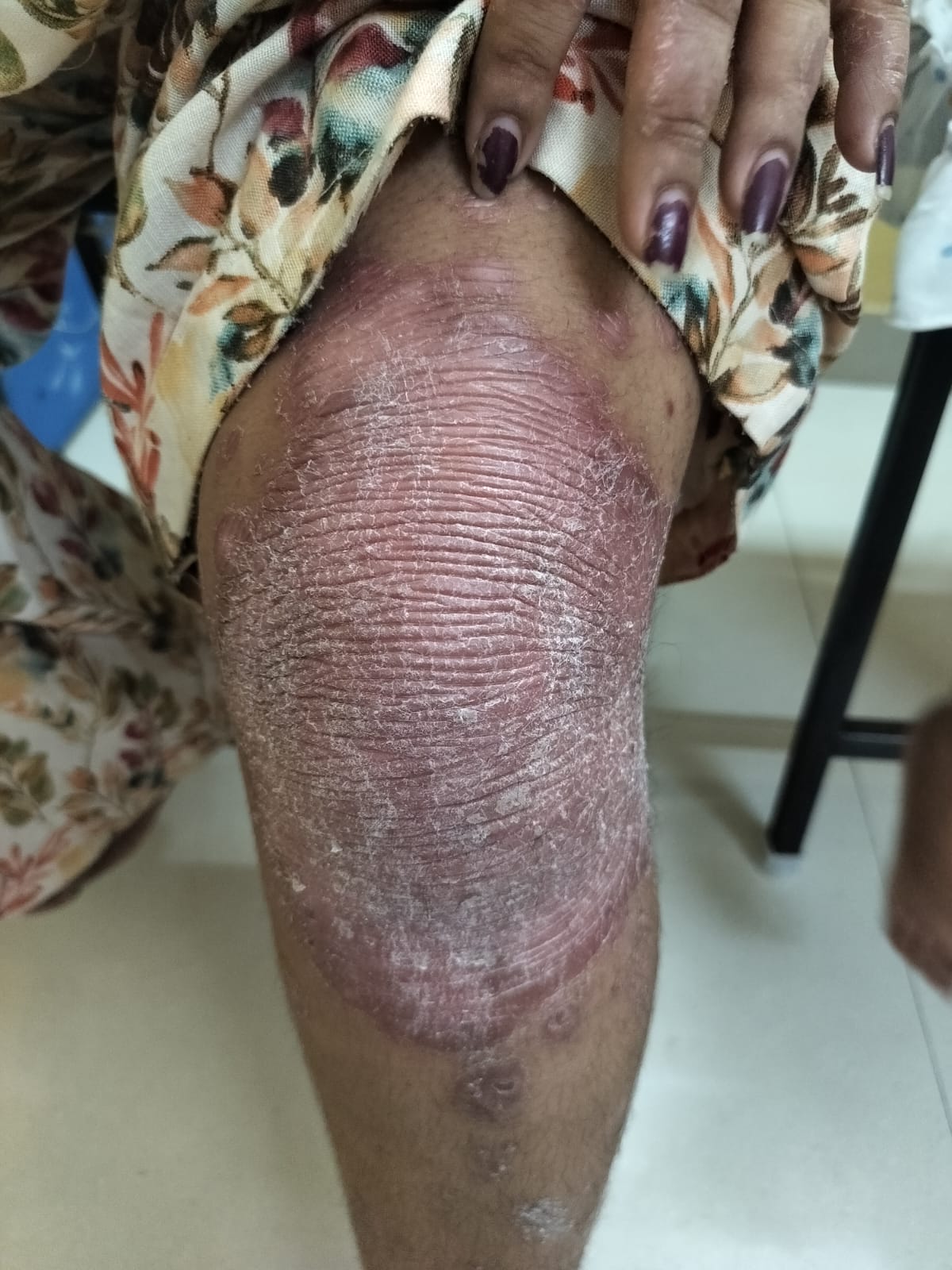
Conventional Understanding: An Autoimmune Response
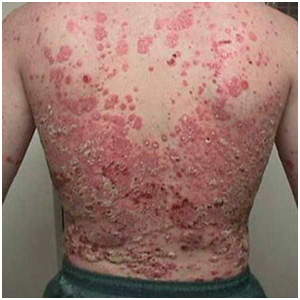
From a conventional medical perspective, psoriasis is classified as an . This means the body's immune system mistakenly attacks healthy skin cells, causing them to grow rapidly and accumulate on the surface, forming the characteristic plaques. While the exact trigger remains unknown, several factors like genetics, environmental influences, and certain medications are believed to play a role.
Treatment Options in Conventional Medicine
Conventional treatment for psoriasis aims to manage symptoms, including:
Corticosteroids, ointments, and creams to reduce inflammation and scaling.
Ultraviolet light exposure to slow down skin cell growth.
Systemic medications Oral or injected medications to suppress the overactive immune system.
Ayurvedic Approach: Addressing Imbalances
Ayurveda, the traditional Indian system of medicine, views psoriasis differently. It attributes the condition to an imbalance in the three doshas, or energies, that govern the body: Vata (air and space), Pitta (fire and water), and Kapha (earth and water). An imbalance, particularly involving Pitta dosha, is believed to lead to the accumulation of toxins and eventually manifest as skin issues like psoriasis.
Ayurvedic Management: Detoxification and Rebalancing Ayurvedic management for psoriasis focuses on: Dietary modifications: Eliminating foods considered to aggravate Pitta, such as spicy, acidic, and oily foods, while incorporating cooling and anti-inflammatory options like fruits, vegetables, and whole grains. Panchakarma: A five-fold detox process involving therapeutic procedures to cleanse the body of accumulated toxins and restore balance. Herbal remedies: Specific herbs like neem, turmeric, and guduchi are known for their anti-inflammatory and blood-purifying properties. External therapies: Localized treatments like takradhara (buttermilk pouring), nyavarakiri (medicated paste application), and shirodhara (medicated oil pouring on the head) are used to soothe the skin and promote healing.
If you have this disorder don’t think twice come to our clinic and visit our doctors and for a permanent side effect free treatment through proper ayurvedic medications and lifestyle management so do contact us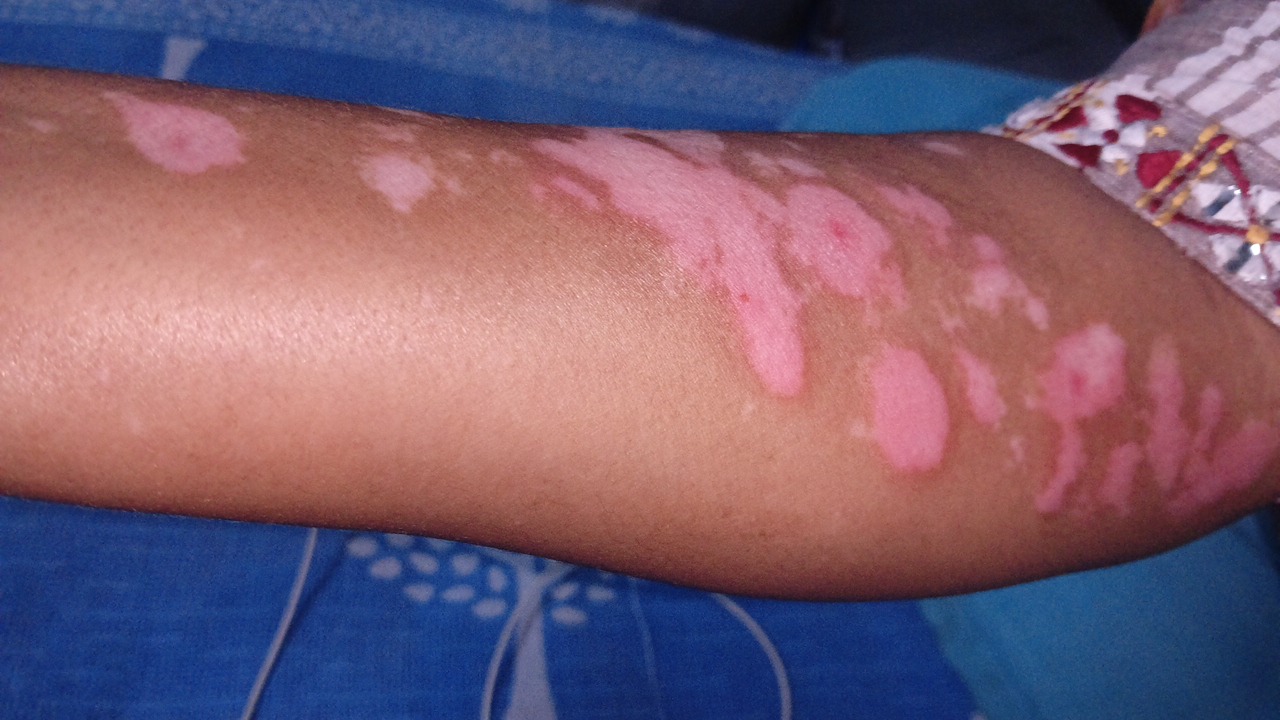
Leucoderma & Vitiligo
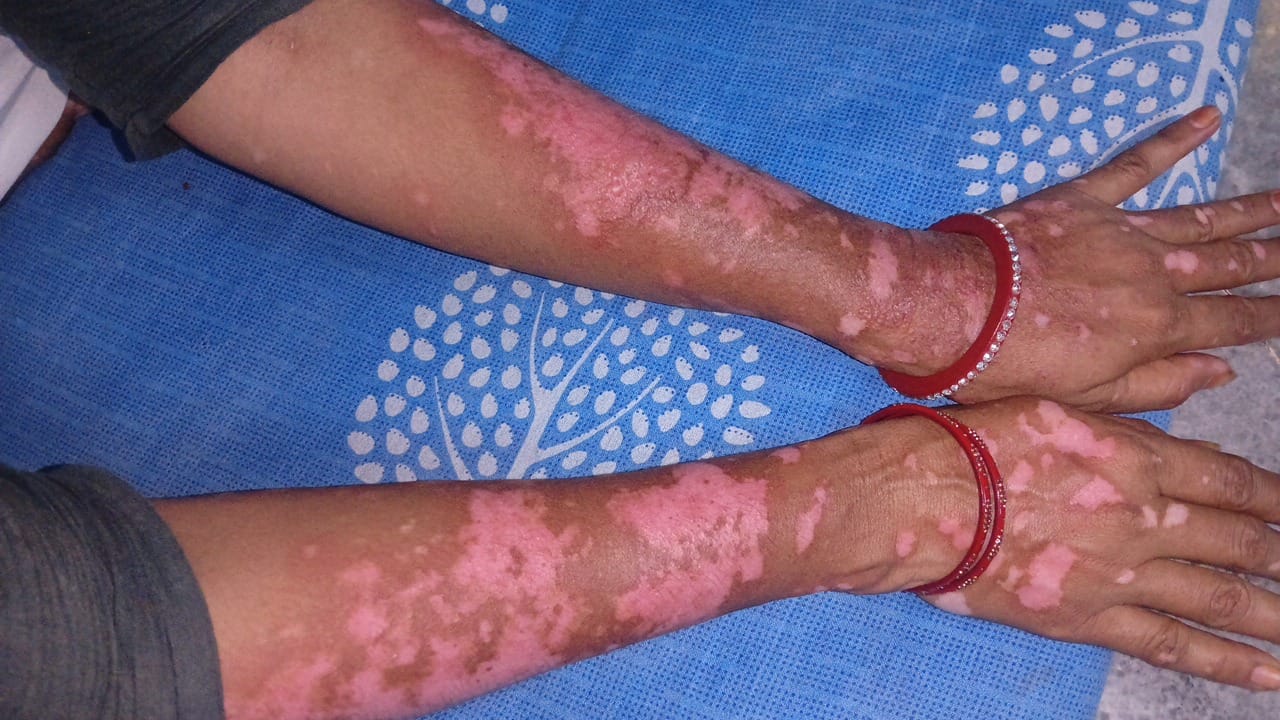
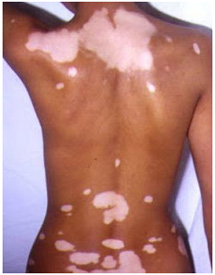
Leucoderma is a condition in which the skin layers experience loss of skin-pigment. It is also known as vitiligo, leucoderma causes white patches on the surface of skin. It is more common in women than in men and is mostly seen on the hands, neck, back and wrist. The main causes for leucoderma are excessive mental worry and chronic or acute gastric disorders. Other causes involve impaired hepatic function such as jaundice, worms or other parasites in the alimentary canal, typhoid, a defective perspiratory mechanism and burn injuries. It can also be the result of hereditary reasons.
In India, it is called 'Safed Kod' or 'Safed Dag' and is considered as a social stigma. Leucoderma or Vitiligo is appearance of single or multiple depigmented patches on any part of the body. These patches gradually increase in size & cause lot of psychological stress in the patient. It is an auto-immune condition and may have a genetic predisposition. Treatment of vitiligo usually takes a long time. Medical treatment helps arrest the spread of depigmentation and in some cases, may bring back the pigmentation. In majority of the cases, medical therapy only achieves stabilization of the vitiligo patch but fails to cause repigmentation. However, repigmentation in cases of 'stable vitiligo' can be achieved by various dermatosurgical techniques.
Leucoderma is a widespread disorder now a days. Generally it happens due to autoimmunity which is the most known reason. Depigmentation of skin happens first which acquires skin area in shape of a spot or patch forming vitiligo spots. No one can predict its spreading without medicines. Some person holds one patch for whole life and another person can suffer vast spreading. This all depends on how far a person's immunity is affected as per our studies. Facial vitiligo is a very bad situation in the life of a vitiligo patient. As the face gets a white spot it almost disturbs the psychosomatic state of the person' mind. One can feel embarrassed and get into deep depression after onset of facial vitiligo.
Physicians of Swasti Ayurveda Clinic approaches to this disease by applying unique formulations as medicines which is unparallel to the rest and guided patients to perform under written measures for the best result.
Doing pranayama and kapalbhati regularly can reduce daily stress level which help in faster healing Using copper utencil for drinking water storage will make the difference faster
The best-know home remedy for leucoderma is the use of seeds of psoralea (babchi).
A paste made from the seeds of the radish is valuable in treating leucoderma. About thirty-five grams of these seeds should be powdered in two teaspoons of vinegar and applied on the white patches.
Another useful remedy for leucoderma is red clay found by the river side or on hill slopes. The clay should be mixed in ginger juice in a ratio of 1:1, and applied over the white spots once a day.
The patient may, thereafter, gradually embark upon a well-balanced diet of seeds, nuts, grains, vegetables, and fruits.
The patient should undertake a fast of juices for about a week.
The patient should avoid tea, coffee, alcoholic beverages, all condiments and highly- flavoured dishes, sugar, white flour products, denatured cereals like polished rice and pearled barley, and tinned or bottled foods.
If you have this disorder don’t think twice come to our clinic and visit our doctors and for a permanent side effect free treatment through proper ayurvedic medications and lifestyle management so do contact us
Acne & Pimples
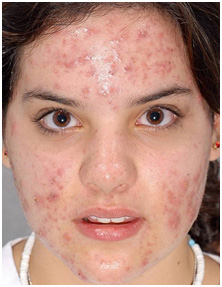
Acne is the term for plugged pores (blackheads and whiteheads), pimples, and even deeper lumps (cysts or nodules) that occur on the face, neck, chest, back, shoulders and even the upper arms. Acne affects most teenagers to some extent. However, the disease is not restricted to any age group; adults in their 20s - even into their 40s - can get acne. While not a life threatening condition, acne can be upsetting and disfiguring. When severe, acne can lead to serious and permanent scarring. It is not caused by bacteria, although bacteria play a role in its development. It is not unusual for some women to develop acne in their mid- to late-20s. Acne appears on the skin as...
- congested pores ("comedones"), also known as blackheads or whiteheads,
- tender red bumps also known as pimples or zits,
- pustules, and occasionally as
- cysts (deep pimples, boils).
- Use a gentle cleanser twice daily.
- Avoid picking or squeezing pimples.
- Choose non-comedogenic skin products.